
Best Gun Rest for Deer Hunting: Which Style Is Right for Your Setup?
Feb 15th 2014
You have waited eleven months for this. Maybe longer.
The buck steps out at forty yards, quartering away, and you have somewhere between four and fifteen seconds to get steady and make a clean shot. Everything you did to get here (the summer scouting, the trail camera cards, the mornings you climbed in at 4:30 and saw nothing) comes down to whether your rifle is still when the trigger breaks.
That is the whole job of a gun rest. Not comfort. Not convenience. Stillness at the one moment that counts.
Here is the problem most hunters run into: there is no single best gun rest for deer hunting. A shooting rest that is perfect in a box blind is useless in a saddle. A setup that works beautifully on a side-by-side cannot clamp to a climbing tree stand. The question is not which rest is best. The question is which rest is right for where you actually sit.
This guide walks through every major whitetail setup (tree stands and deer stands, saddles, box blinds, ground blinds, side-by-sides, ATVs, truck hoods, and open ground) and covers what to look for in each. By the end you will know exactly which style fits your hunt.
What Actually Makes a Gun Rest Work

Before we get into specific setups, it is worth understanding what separates a rifle rest that saves the shot from one that costs it. Four things matter.
It has to hold position under load
A rest that sags when you set a nine-pound rifle on it is not a rest. It is a suggestion. This is the single most common failure in cheap gear: the clamp holds fine when you set it up in the driveway, then creeps downward over three hours in the cold with weight on it. You go to settle in on a deer and your point of aim is six inches low.
Look for machined metal hardware rather than molded plastic joints. Plastic flexes under sustained load and gets brittle when temperatures drop. Aluminum does not.
It has to move quietly
Deer do not hear "a noise." They hear that noise: the metal-on-metal click, the plastic creak, the ratcheting sound that nothing in the woods makes. You can get away with a lot of movement in a tree stand. You cannot get away with a squeak at thirty yards.
This is why the way a shooting rest articulates matters as much as how sturdy it is. A rest you have to crank into position will cost you shots that a smooth-pivoting arm will not.
It has to cover your actual shooting window
Think honestly about your setup. In a box blind, you might have three windows covering 180 degrees. In a saddle, you may need to shoot around the tree on your weak side. On a side-by-side, the deer is going to show up on whichever side you are not facing.
A gun rest that only supports a narrow arc in front of you leaves most of your shot opportunities unsupported. Range of motion is not a luxury feature. It is the difference between a rest you use and a rest you work around.
It has to mount to what you actually have
This is where most purchases go wrong. Hunters buy a rest without checking whether it clamps to their stand's rail diameter, their blind's window frame, or their UTV's roll cage. Then it arrives and it does not fit, and it lives in the garage.
Match the mount to the setup. That is what the rest of this guide is about.
Jump to your setup
Tree Stand Gun Rests: Climbers, Hang-Ons, and Ladder Stands
Deer stand hunting is where a good gun rest pays off most obviously, and where the bad ones fail most visibly.
You are twenty feet up, sitting in a seat that moves when you move, holding a rifle over a shooting rail that was designed to keep you from falling out, not to steady a shot. Most hunters end up resting the forend on the rail itself, which means you are shooting off a bar that is at a fixed height, at a fixed angle, in one fixed direction. If the deer comes from anywhere else, you are freehanding it.
For climbing tree stands

Climbers create a specific problem: the frame changes depending on the tree and how high you set up, and you need something that packs in on your back without snagging on every branch between the truck and the tree.
The Branch Out Climber Rest ($309–$389) is built for this. The mounting block is form-fitted to Summit climbing stand shooting rails, so it seats in the same spot every time you set up. The block stays on the rail while you climb, then the arm slides on without tools once you are locked in at height. If you run a different brand of climber, order it with the Quick Clamp mount instead of the climber block.
For hang-on and ladder stands
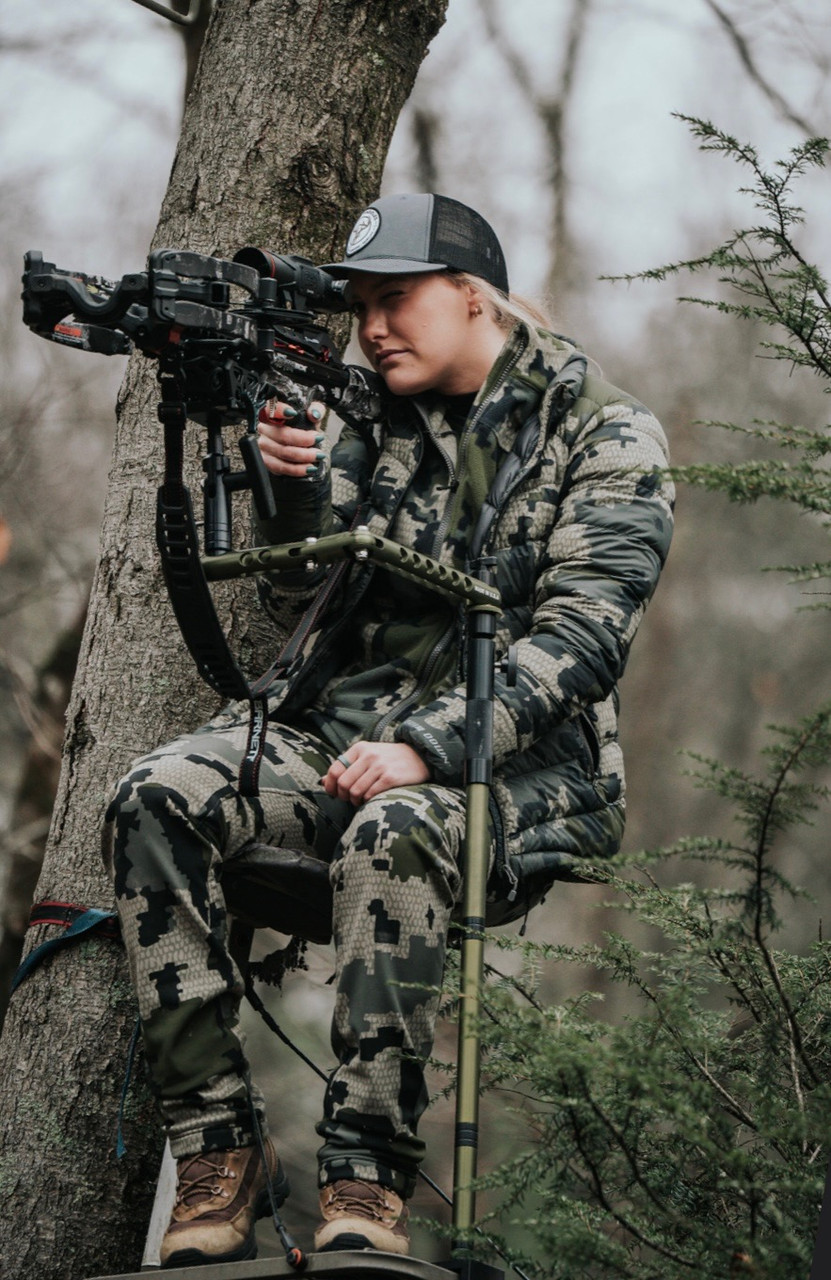
Fixed deer stands give you a consistent mounting surface, which opens up sturdier options.
The Hang-On Rest ($329–$409) is the most popular gun rest in XtraArm's lineup, and the reason is simple: hang-ons and ladder stands are the most common way people hunt whitetails in North America, and this one clamps to the stand frame and stays put. It folds back against the frame when you are glassing or just sitting, then swings into position when something is coming.
If you want something lighter and more adaptable, the Quick Clamp Shooting System ($99–$389) is the most flexible entry point in the entire line. It clamps to a range of surfaces and configures several ways, which makes it a good choice if you hunt from more than one type of tree stand across a season.
Browse the full range: Climbing, hang-on, and ladder stand gun rests
Saddle Hunting Gun Rests: The Hardest Shot in Deer Hunting

Saddle hunting has exploded over the last several years, and for good reason. It is light, it is mobile, and it lets you hunt trees you could never get a stand into.
It is also, without question, the most difficult platform to shoot from.
You are hanging in a harness with your weight on the tree, your feet on a small platform, and no shooting rail in front of you. There is nothing to rest on. Shooting around the tree to your weak side requires a body position that is uncomfortable to hold for five seconds, let alone the thirty seconds a deer might take to give you the angle you want. Most saddle hunters simply accept that they will pass on shots a tree stand hunter would take.
You do not have to accept that.
The Ambush Shooting Rest for Saddle Hunters ($339–$419) is purpose-built for this problem. It mounts to your platform or tree setup and gives you a stable point of contact for the rifle in a position where you otherwise have none. For rifle, muzzleloader, and crossbow hunters who have moved to a saddle, it removes the single biggest compromise of the platform.
If you also film your hunts, the Ambush Camera Arm System ($289–$369) mounts to the same setup and holds a camera where it can actually see the shot, which, in a saddle, is a genuinely hard thing to solve.
Browse the full range: Saddle hunting rests and camera arms
Box Blind Gun Rests: Turning Long Sits Into Steady Shots
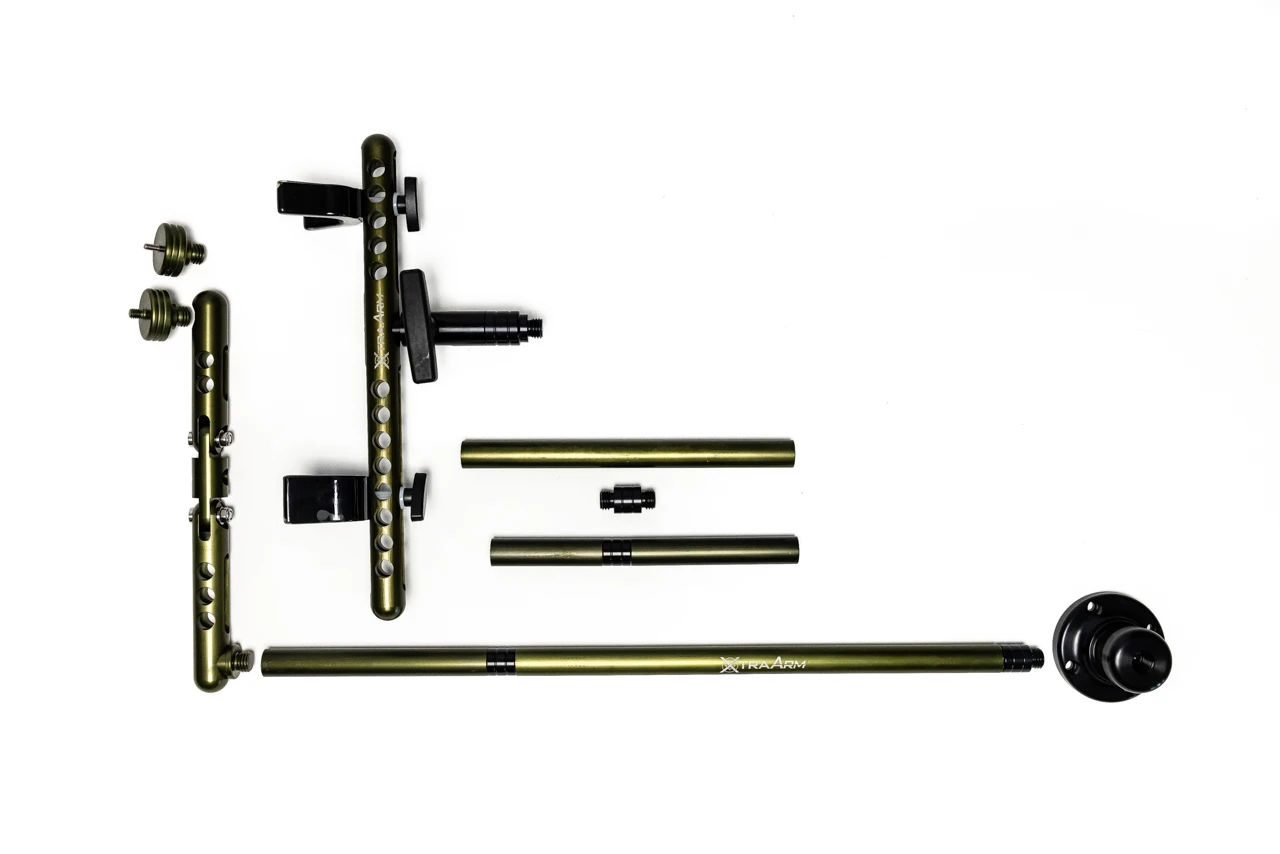
Box blinds are where hunters spend the longest, most patient sits of the season: late-season gun hunts, kids' first deer, the December afternoon when you are waiting on a specific buck to come to the field edge.
They are also where hunters get the sloppiest about support. There is a windowsill, so people rest on the windowsill. But a windowsill is at a fixed height that is almost never the right height for your seat, and it forces you to hunch into a position you cannot hold. Watch someone shoot off a blind window and you will usually see them drop their cheek weld to reach the rifle down to the sill.
A proper gun rest brings the rifle up to you instead.
The Fixed Blind Rest ($209–$379) clamps to a solid surface inside the blind and holds the rifle at the window, taking the weight off your arms through the whole sit. When you have been holding a rifle up for forty minutes waiting for a deer to close the last sixty yards, the difference in your steadiness is dramatic.
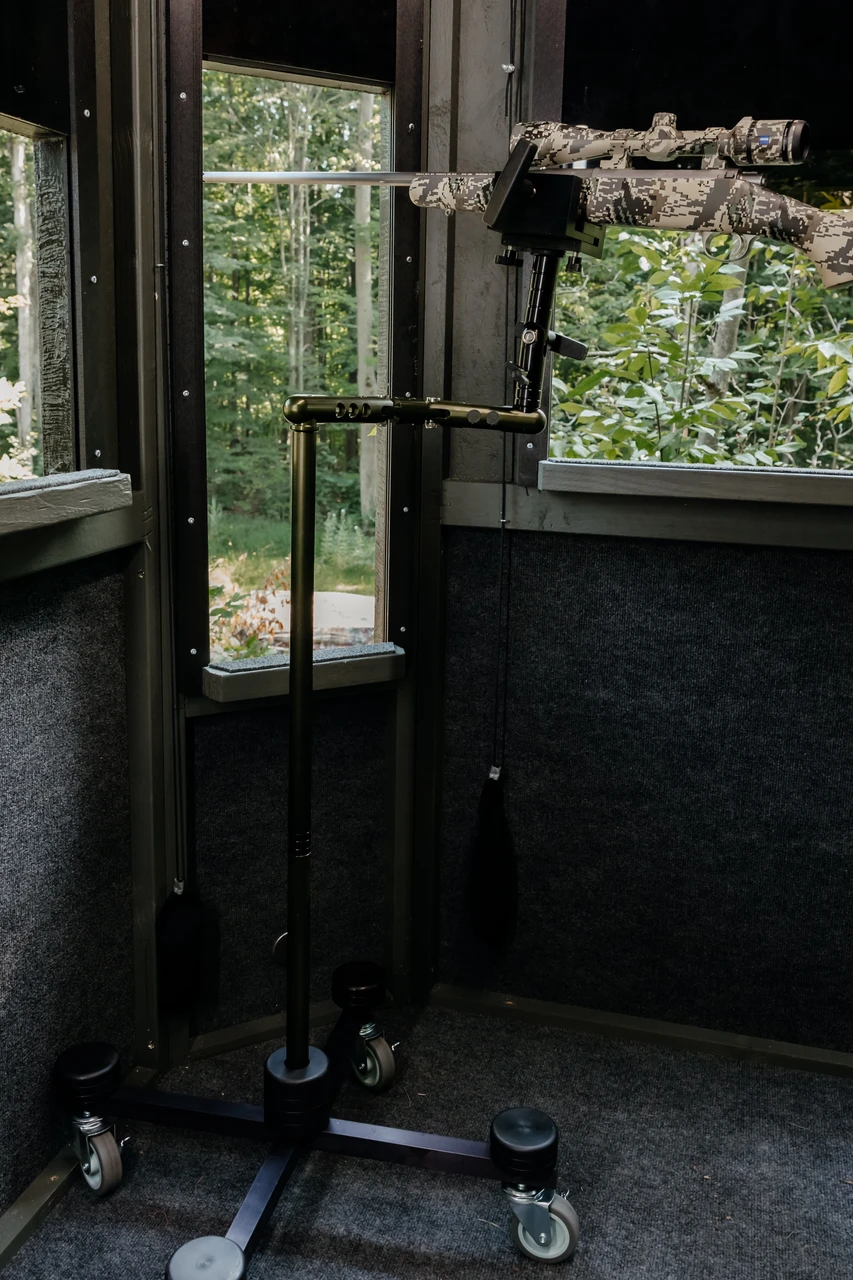
For blinds where you need to cover more than one window, the Tripod Arm ($209–$379) clamps to the blind frame and gives you an articulating arm you can swing to different openings. The Roller Rest ($399–$459) solves the same problem differently, riding on a wheeled base that rolls across the blind floor so you can reposition without picking anything up. If deer come from three directions on your property, either beats a fixed mount.
Browse the full range: Box blind gun rests and camera arms
Ground Blind Gun Rests: Small Space, Fixed Window, Zero Movement
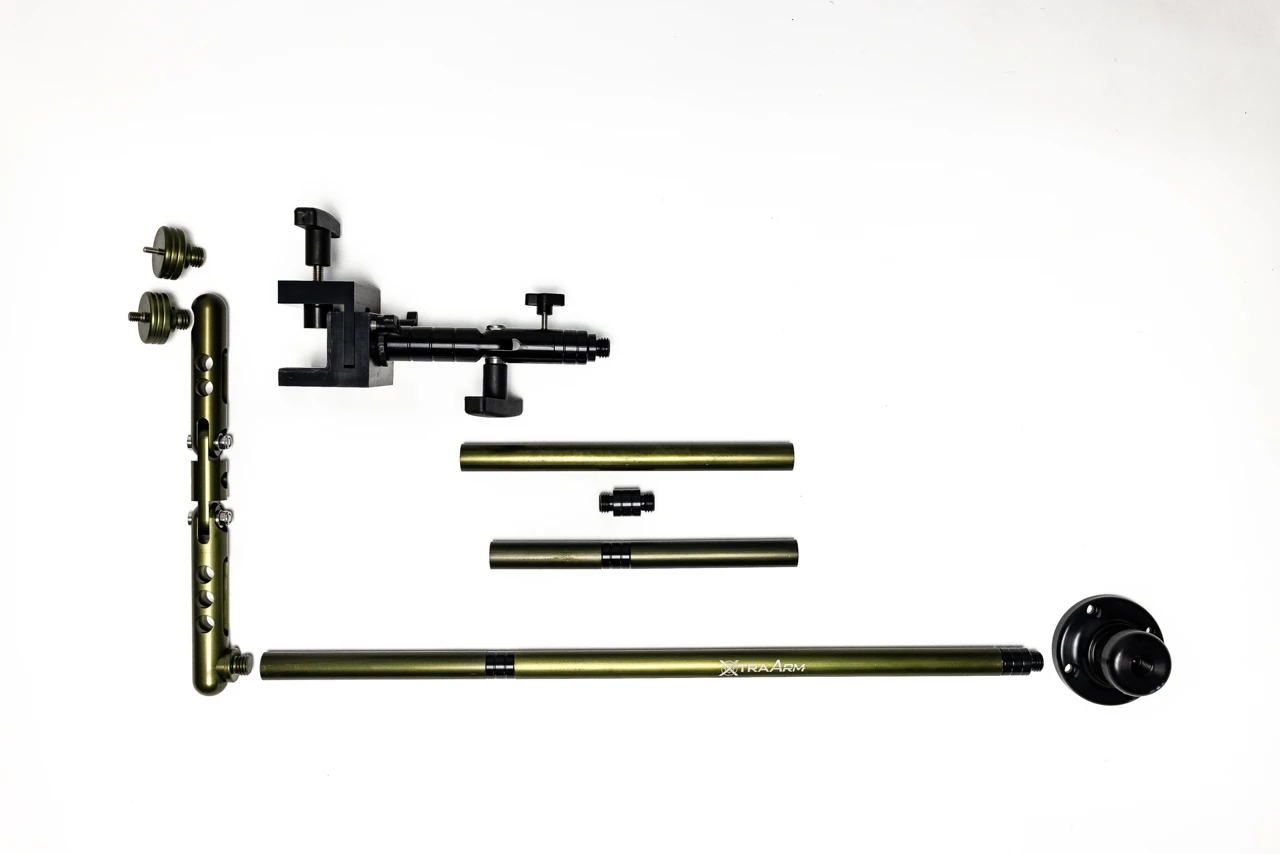
Ground blinds change the math in two ways. Your shot window is fixed and narrow, and you are at eye level with the deer, which means any movement you make is movement they can catch.
You need support that lets you get on the gun without shifting your body.
The Fixed Blind Rest works here the same way it does in a box blind, clamping to a solid interior surface and holding the rifle at the window. The Tripod Arm clamps to the blind frame and articulates to whichever window opening the deer gives you.
But ground blind hunters face a situation the other setups do not: sometimes there is nothing to clamp to. Pop-up blinds with flexible frames, natural brush blinds, hay bale blinds, or a spot you picked twenty minutes ago because that is where the deer were. For those, you want a freestanding option, which brings us to shooting sticks.
Browse the full range: Ground blind gun rests and camera arms
Shooting Sticks: When There Is Nothing to Clamp To

Shooting sticks are the most underrated piece of gear in deer hunting. They are also the most misunderstood: a lot of hunters think of them as a western spot-and-stalk tool and never consider them for whitetails.
That is a mistake. Shooting sticks are the answer any time you are hunting where you cannot mount anything: a brush blind on a field edge, a quick setup on fresh sign, turkey season in the spring, a stalk through a river bottom, or just a folding chair on a food plot corner.
The Solo Shooting Stick ($139–$389) is a freestanding monopod that sets up in seconds on any terrain. Unlike a bipod or tripod, a monopod deploys fast and moves with you as you track a deer across a field, which matters when you are following an animal through brush waiting for it to clear.
The Solo Ultralite Shooting Stick ($129) is the lighter version, built for hunters counting ounces on long walks in.
Both are worth having in the truck even if you primarily hunt from a deer stand. The day you decide to sit on the ground because the wind is wrong for your usual spot, you will want one.
Browse the full range: Shooting sticks
Side-by-Side and UTV Gun Rests: The Fastest-Growing Setup in Hunting
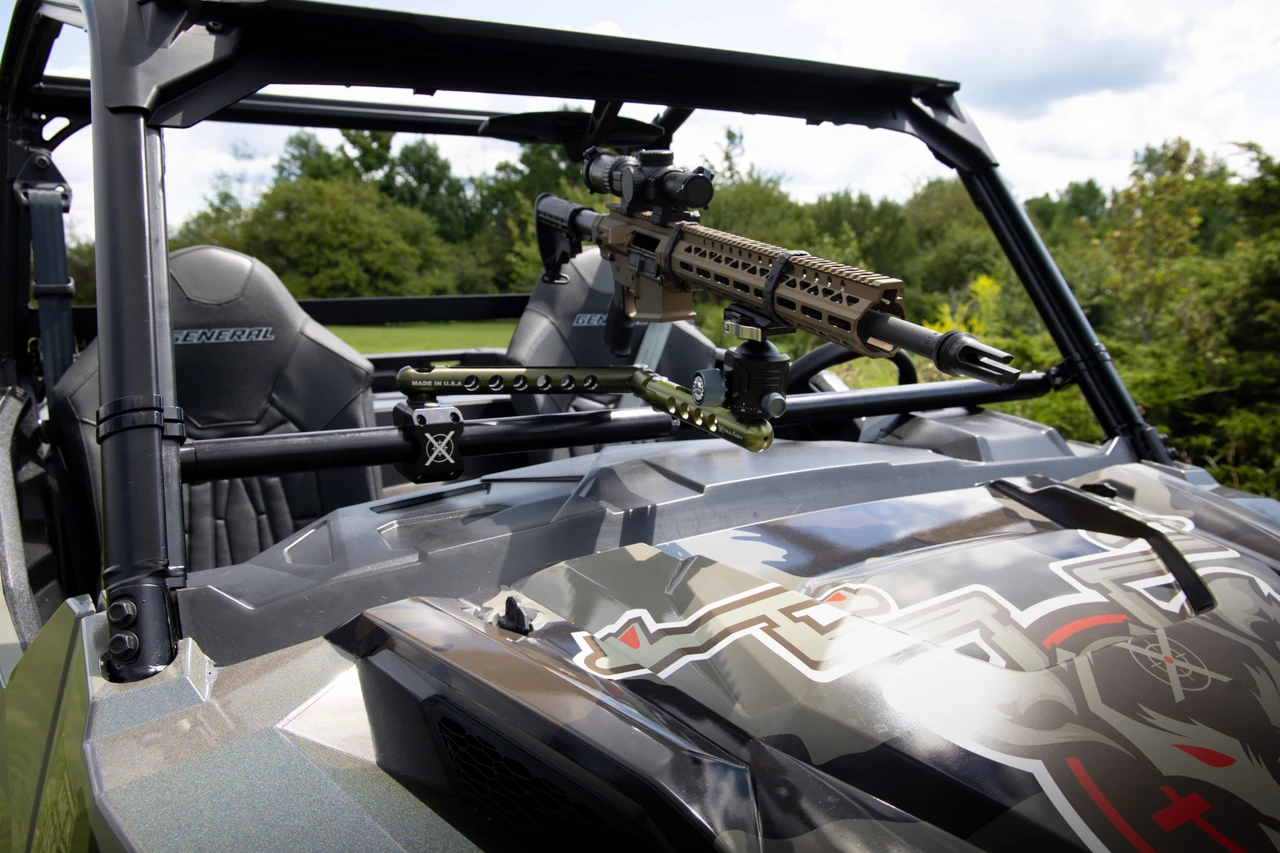
More and more hunting happens from a vehicle now: on large properties, on managed land where you cover ground between food plots, on ranches where a side-by-side is simply how you get anywhere, and for hunters whose mobility makes walking to a stand difficult or impossible.
The problem is that a UTV is a terrible place to shoot from. Everything is round tube, nothing is at the right height, the roll cage is in the way, and the deer inevitably appears on the side opposite the one you are set up for.
For side-by-sides
The Universal SxS Shooting System ($809–$899) is the most complete solution in the lineup. It is a full system rather than a single arm, designed to give you supported shots from a side-by-side without climbing out and without a long setup. It is the top of the range in price, and it is aimed at hunters for whom the vehicle is the primary hunting position rather than transportation to a stand.
The FHR UTV / Side-by-Side Shooting Rest ($269–$459) is the more accessible option. It clamps to the vehicle and gives you a solid rifle rest without the full system's footprint or cost.
For ATVs
Four-wheelers have less structure to work with than a side-by-side. The Quad-Link ATV Rest ($389) clamps to the handlebars and supports both rifles and crossbows, which turns the machine you already ride in on into a shooting platform.
Browse the full range: SxS, UTV, and ATV gun rests
Truck-Mounted Gun Rests: The Road Hunter's Rest

On a lot of properties (particularly in the West, in Texas, and on large managed acreage), the truck is the blind. You glass from the road, you spot, and you shoot from the vehicle.
Shooting off a truck door or window frame freehand is notoriously unsteady. The sheet metal flexes, the glass is in the way, and you are usually twisted into a bad position through the window.
The Annihilator Truck Mount Shooting Rest ($479–$569) suction-mounts to the truck door and gives you a genuinely stable platform from the driver's seat. No drilling, no permanent mounting, and it comes off when you are done.
It is worth being clear about the legal side here: shooting from a public road or from a motor vehicle is restricted or prohibited in most states, and the specifics vary a great deal. This is a tool for private land and for hunters with a disabled hunter permit where applicable. Check your state's regulations before you use it.
Shooting Bench Rests: Getting Your Rifle Right Before Season
Every gun rest in this guide is worthless if your rifle is not zeroed.
The Roller Rest ($399–$459) is a wheeled base that your arm mounts onto. At the range it gives you a stable, repeatable platform for load development and zeroing. In a box blind it rolls across the floor so you can move window to window without lifting the whole setup. Assembly takes under thirty seconds.
If you have ever spent an afternoon chasing a zero and gone home unsure whether the problem was the scope or you, a consistent rest is the fix.
Browse the full range: Shooting bench rests
Camera Arms: Filming the Hunt Without a Cameraman

Self-filming has gone from a niche pursuit to something a large share of serious hunters do, whether for social media, for a YouTube channel, or just to have the footage.
The hard part is that a camera has to be positioned where it can see the shot, which is rarely where you can easily reach it, and it has to get there without noise or a lot of movement.
The XtraLite Camera Arm ($199) is the lightweight option, built for hunters who want to film without adding meaningful weight to the pack. The Ambush Camera Arm System ($289–$369) is the saddle-specific solution covered above. The Tripod Arm doubles as camera support as well as rifle support.
One piece of advice from people who film a lot: set the camera arm up first, before you get settled, and frame it on the spot you expect the deer to be. Trying to reposition a camera while a buck is working toward you does not end well.
Browse the full range: Camera arms
Quick Comparison: Which Gun Rest Fits Your Setup
| Your setup | Best fit | Price range |
|---|---|---|
| Climbing tree stand | Branch Out Climber Rest | $309–$389 |
| Hang-on or ladder stand | Hang-On Rest | $329–$409 |
| Multiple deer stand types | Quick Clamp Shooting System | $99–$389 |
| Saddle hunting | Ambush Shooting Rest | $339–$419 |
| Box blind, single window | Fixed Blind Rest | $209–$379 |
| Box or ground blind, multiple windows | Tripod Arm | $209–$379 |
| Ground blind or open ground | Solo Shooting Stick | $139–$389 |
| Packing in light | Solo Ultralite Shooting Stick | $129 |
| Side-by-side, primary platform | Universal SxS Shooting System | $809–$899 |
| Side-by-side, occasional use | FHR UTV / Side-by-Side Rest | $269–$459 |
| ATV / four-wheeler | Quad-Link ATV Rest | $389 |
| Truck | Annihilator Truck Mount Rest | $479–$569 |
| Sighting in at the range | Roller Rest | $399–$459 |
| Filming from a saddle | Ambush Camera Arm System | $289–$369 |
| Filming, lightweight | XtraLite Camera Arm | $199 |
Three Mistakes Hunters Make When Buying a Gun Rest
Buying for the hunt you imagine instead of the hunt you have. Be honest about where you actually sat last season. If you spent nineteen days in a ladder stand and one afternoon in a ground blind, buy for the ladder stand.
Assuming a rest is only for rifle season. Crossbow and muzzleloader hunters benefit at least as much as rifle hunters, and arguably more: a crossbow is heavy, front-loaded, and nearly impossible to hold steady offhand for any length of time.
Waiting until opening week. A gun rest you have not mounted, adjusted, and practiced with is a rest you will fumble in the dark on opening morning. Set it up in August. Find out then that your stand rail is a different diameter than you thought, not on the first cold morning of the season.
A Note on Adaptive Hunting
For hunters with limited mobility, limited strength, or limited use of one arm, a gun rest is not an accessory that improves a shot. It is often the thing that makes the hunt possible at all.
A rest that bears the full weight of the rifle and holds position between shots removes the physical barrier that keeps a lot of people out of the woods, and it is one of the genuinely meaningful applications of this kind of gear.
XtraArm maintains a dedicated Adaptive Hunting line for exactly this. If you or someone you hunt with needs a setup built around specific physical requirements, it is worth a conversation before ordering. The right configuration matters more here than anywhere else.
Frequently Asked Questions
What is the best gun rest for a tree stand?
For hang-on and ladder stands, a gun rest that clamps directly to the stand frame and folds out of the way, like the Hang-On Rest, is the most practical choice. For climbing tree stands, look for something designed to attach to a climber frame and pack in, like the Branch Out Climber Rest. The key in both cases is that it mounts to the stand rather than relying on you to hold it.
What is the difference between a gun rest and a shooting rest?
Nothing. Hunters use the terms interchangeably, along with rifle rest and shooting rail. All of them describe a device that supports the weight of your firearm so you can hold steady on target without relying on your arms alone.
Do gun rests work with crossbows and muzzleloaders?
Yes, and crossbow hunters often benefit more than rifle hunters. Crossbows are heavy and front-heavy, which makes them exhausting to hold on target through a long sit. Muzzleloaders benefit for the same reason, with the added advantage that a steady rest helps enormously with a single-shot firearm where the first shot is the only shot. Several rests in this lineup, including the Quad-Link ATV Rest, are built to support both.
Can I use one gun rest across different deer stands and blinds?
Somewhat. The Quick Clamp Shooting System is the most adaptable option and works across a range of mounting surfaces. That said, a rest purpose-built for your primary setup will generally outperform a universal one in that setup. If you hunt one way 80% of the time, buy for that.
How much should I spend on a gun rest for deer hunting?
Entry points start around $99 and full vehicle systems run to around $899. The more useful way to think about it: a gun rest is in the same category as your scope or your rangefinder, in that it is a one-time purchase that directly affects whether you connect. Look for machined metal construction and a lifetime warranty rather than the lowest price.
Will a gun rest spook deer?
Not if it moves quietly. The risk is not the rest itself but the noise it makes when you adjust it. This is why smooth-pivoting metal hardware matters more than it might seem: a rest that clicks, ratchets, or creaks will cost you far more than one that does not.
What is the best gun rest for a ground blind?
If your blind has a solid frame or surface to clamp to, the Fixed Blind Rest or the Tripod Arm will both work, with the Tripod Arm being the better choice when you need to cover multiple windows. If there is nothing to clamp to, a freestanding monopod like the Solo Shooting Stick is the answer.
Where are XtraArm gun rests made?
Every XtraArm product is precision-machined from aluminum in Cleveland, Ohio, by a family-owned company, and backed by a lifetime warranty.
Choosing Yours
Work backwards from where you sit.
If you hunt a ladder stand or hang-on, start with the Hang-On Rest. If you climb, look at the Branch Out Climber Rest. Saddle hunters should look hard at the Ambush, because it solves a problem nothing else does. Blind hunters want the Fixed Blind Rest or the Tripod Arm depending on how many windows you need to cover. And if your hunt happens from a side-by-side, an ATV, or a truck, there is a purpose-built system for each.
Whatever you choose, get it mounted and get comfortable with it before the season opens.
Because the shot is going to happen fast, and the work you put in now is the reason you will be steady when it does.

Every XtraArm product is machined from aluminum in Cleveland, Ohio, and covered by a lifetime warranty. Free shipping on orders over $100.