
Why a Tripod Can Be a Pain in a Box Blind, and the Shooting Rest to Use Instead
Sep 30th 2026
A tripod is a good piece of gear. That is not in question.
If you glass ridges, film hunts, or zero rifles off a bench, a solid tripod is worth every dollar. The problem is not the tool. It is the room you are asking it to work in.
A box blind is a small enclosed space with a chair in it. A tripod was built for open ground. Most hunters end up with one in their blind for a simple reason: they already owned it. Then they spend the season working around it.
Here is what goes wrong, when a tripod is still the right call, and which box blind shooting rest solves it.
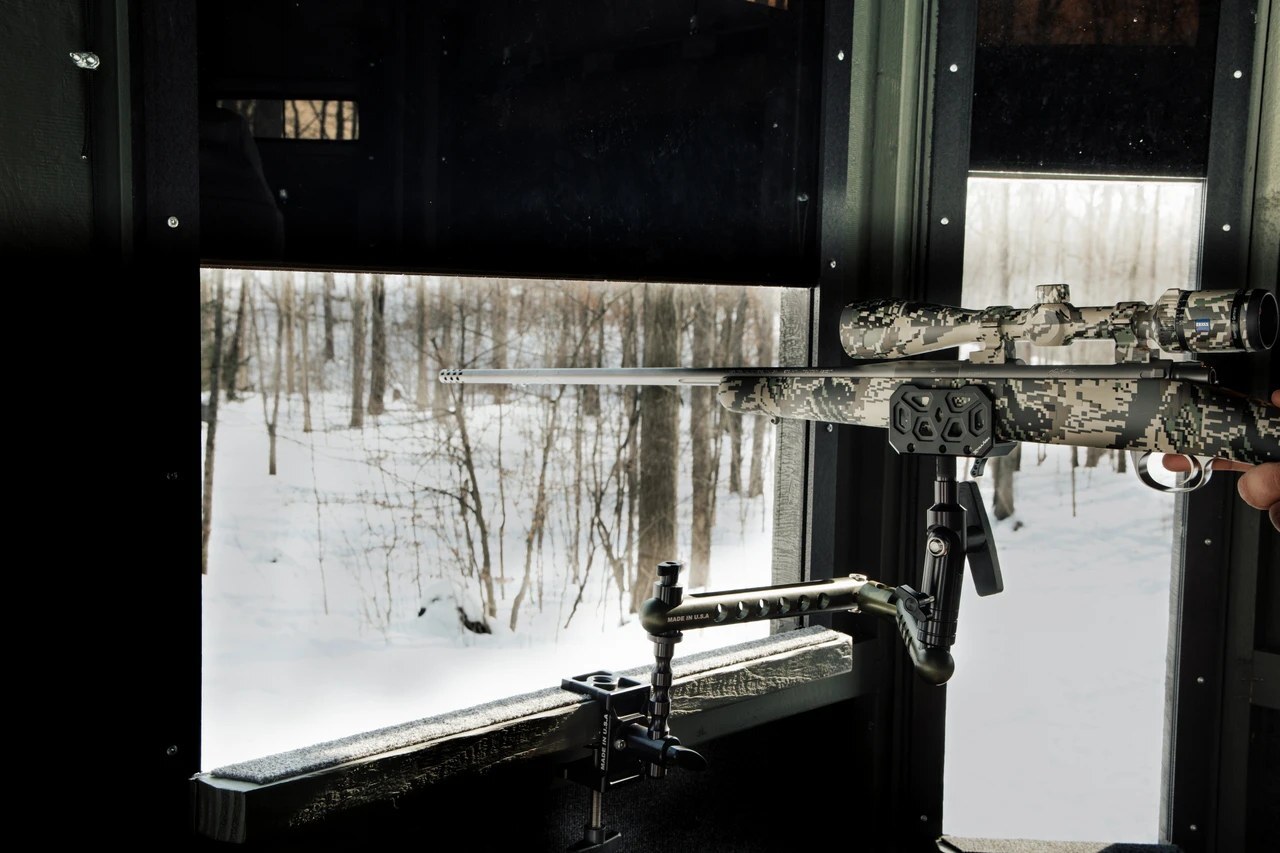
Three Reasons a Tripod Fights You in a Blind:
It eats legroom you do not have
Most box blinds run four by four to six by six feet. Into that goes a chair, a heater, a pack, and often a second hunter.
A tripod's footprint is a triangle, and to be stable that triangle has to spread. Pull the legs in tight to save room and you give up the stability you bought it for. Spread them properly and you have claimed two to three feet of floor in a space where every square foot is already spoken for.
You are choosing between stability and legroom every time you set one up indoors. Outside you never make that trade, which is exactly why a tripod feels great in the field and awkward in a blind. Those three legs are also three things to catch with your boot in the dark, and a bumped leg moves the height you carefully set before daylight.
Moving to a second window costs you the shot
This is the real problem. The rest are annoyances. This one loses deer.
You built a blind with two, three, or four windows so you could cover the field edge, the food plot, and the trail out of the bedding area from one seat. Now think about what moving a tripod between them takes. Lift the whole assembly clear, carry it across a space too small to carry anything across, set it down, re-spread the legs, re-level, reset the height, then find the rifle again.
That is fifteen or twenty seconds of standing and scraping with a deer in sight. A whitetail picks up that silhouette through a window opening every time.
So most hunters do the other thing. They point the tripod at one window and freehand everything else. At which point you own a rest that works a third of the time.
The window sets your height, not you
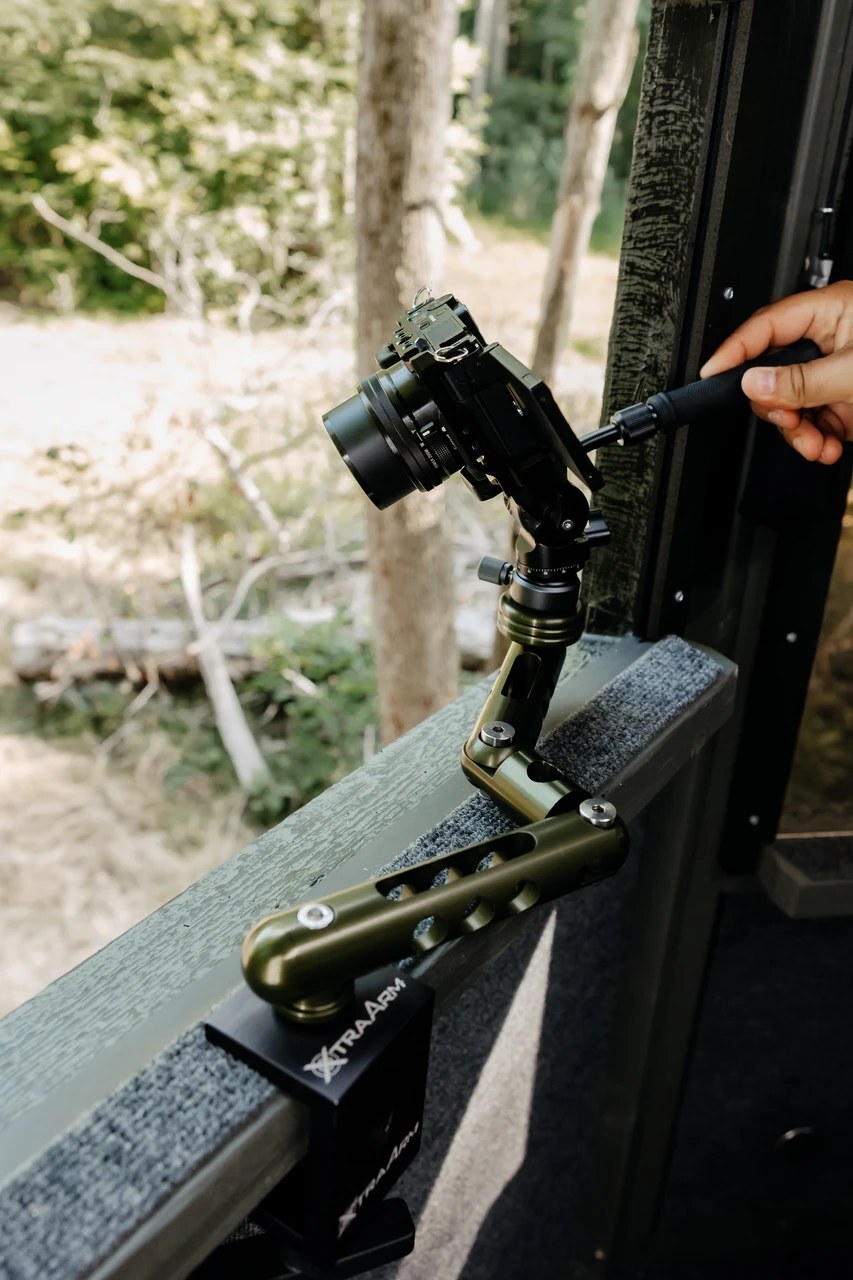
Tripods adjust through leg extensions and a center column, a system built for someone standing on open ground picking a comfortable working height.
In a blind you are sitting, shooting through an opening at a height someone else chose when they framed the wall. Getting a tripod to land exactly there means fiddling with three leg locks, usually with the center column partway up, which is the least stable position a tripod has.
Resting on the window ledge instead is not the answer either. The sill sits at a fixed height that is almost never right for your chair, which is why you see hunters drop their cheek weld to reach the rifle down to it.
When a Tripod Still Makes Sense
This is not a case for throwing yours away.
- Large shooting houses. In a genuine eight by eight tower blind, the legroom argument mostly disappears.
- Standing blinds. If you shoot standing rather than seated, tripod height adjustment works the way it was designed to.
- One window, one direction. If you only ever shoot out the front, repositioning never comes up.
- Glassing and filming. For a spotting scope or a camera, a tripod is still the right tool.
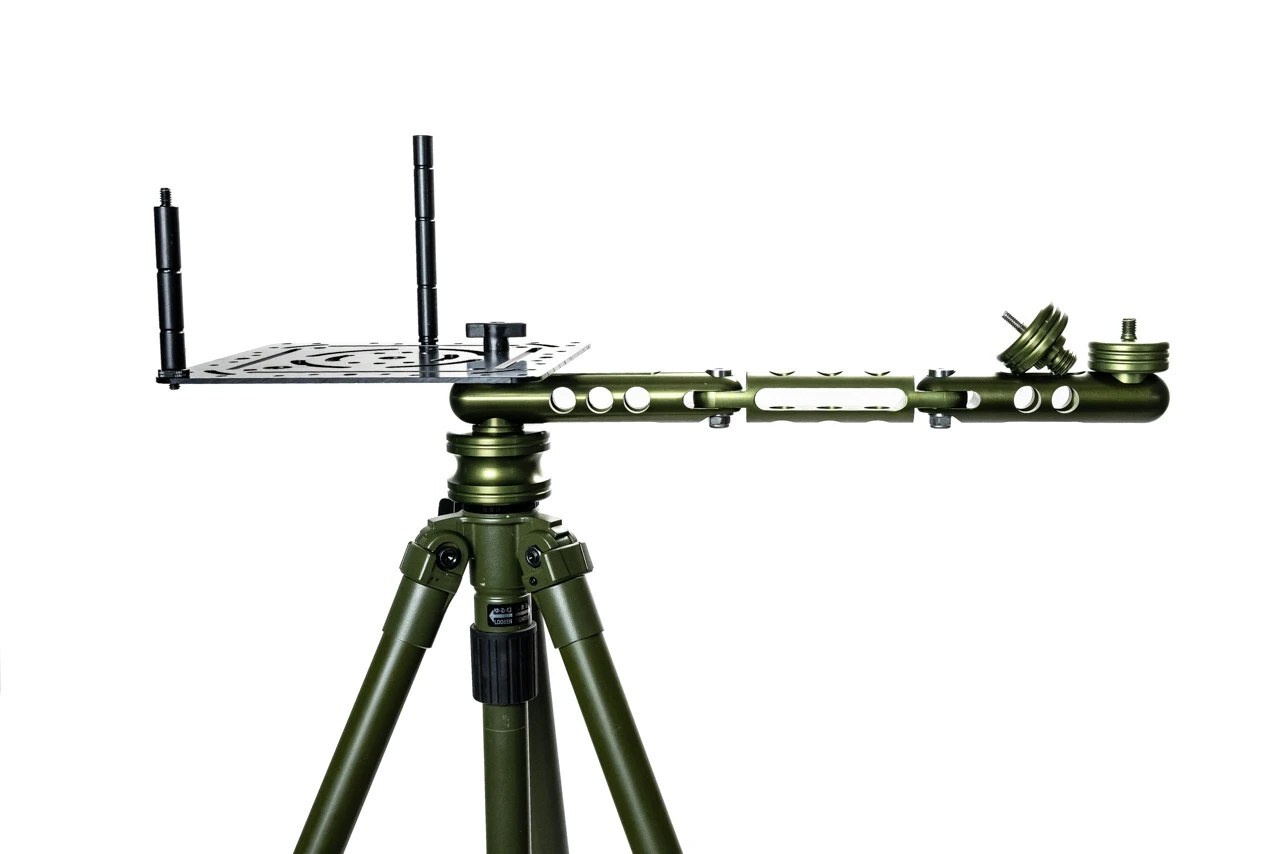
And if you already own a good one, make it work harder. The Tripod Arm ($209 to $379) threads onto any standard 3/8-16 tripod head and turns your tripod into a fully articulating arm that swings, extends, and locks without tools. Order it with the Double Yoke for shooting or the ball and fluid head adapter for a camera. The arm weighs 1.4 pounds.
The honest summary is this. A tripod solves the wrong half of the problem indoors. It gives you a stable base, which you did not really need inside a building with a floor. What you need is fast, quiet repositioning, and that is the thing a tripod does worst.
Three Box Blind Shooting Rests That Solve It
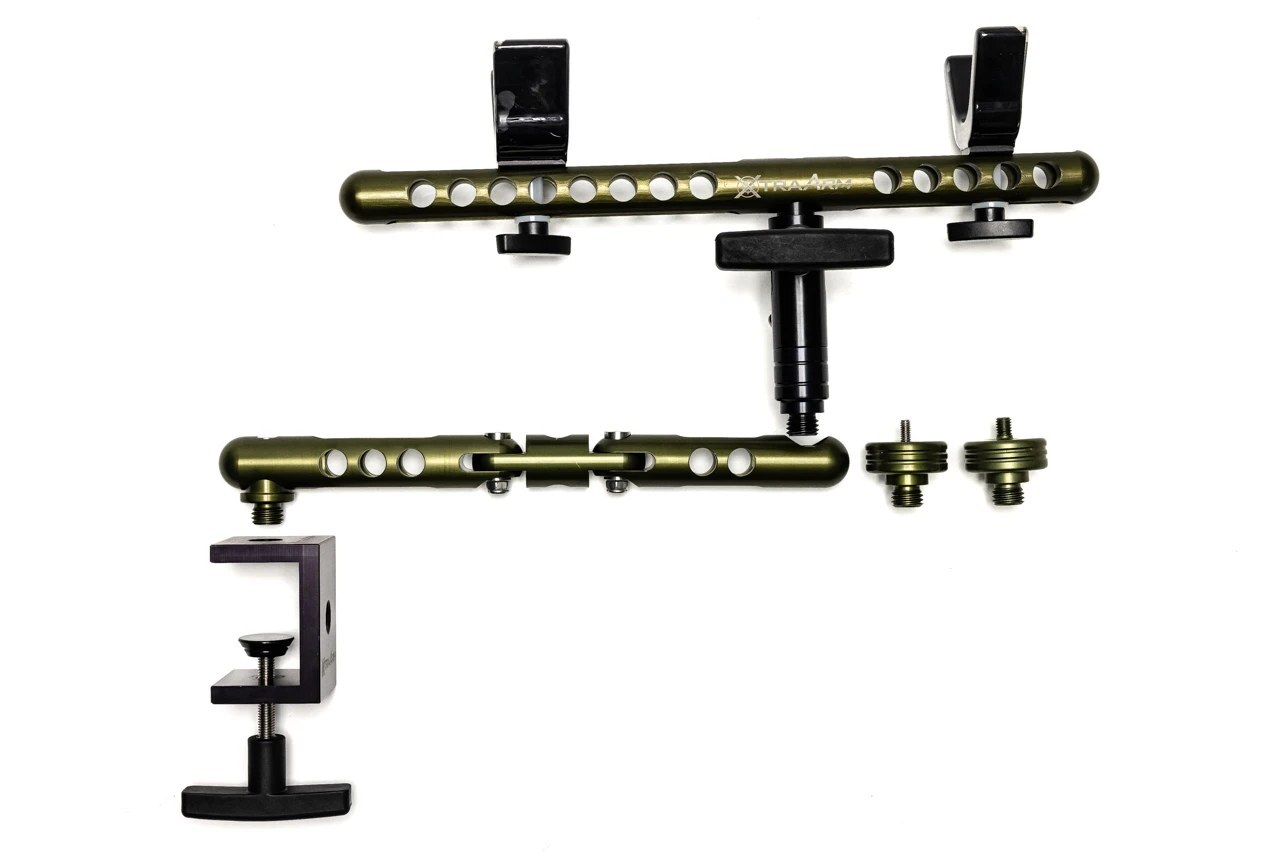
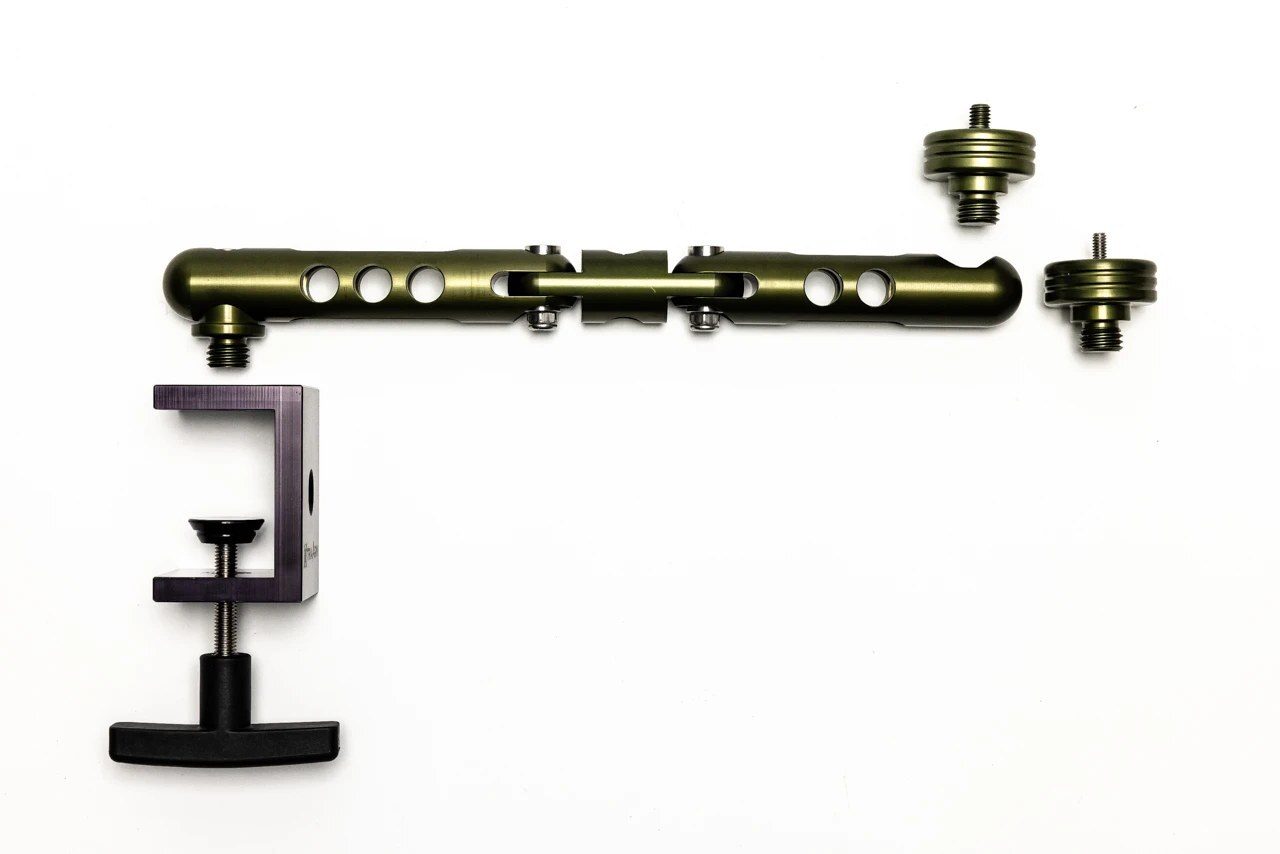
One blind, mostly one window. The Fixed Blind Rest ($209 to $379) locks to the window shelf or interior frame and holds your rifle at the opening, with nothing on the floor at all. Install it once and it is there in October, in December, and again next year. It handles crossbows as well as rifles, which matters because a crossbow is heavy and front-loaded and brutal to hold steady through a long sit.
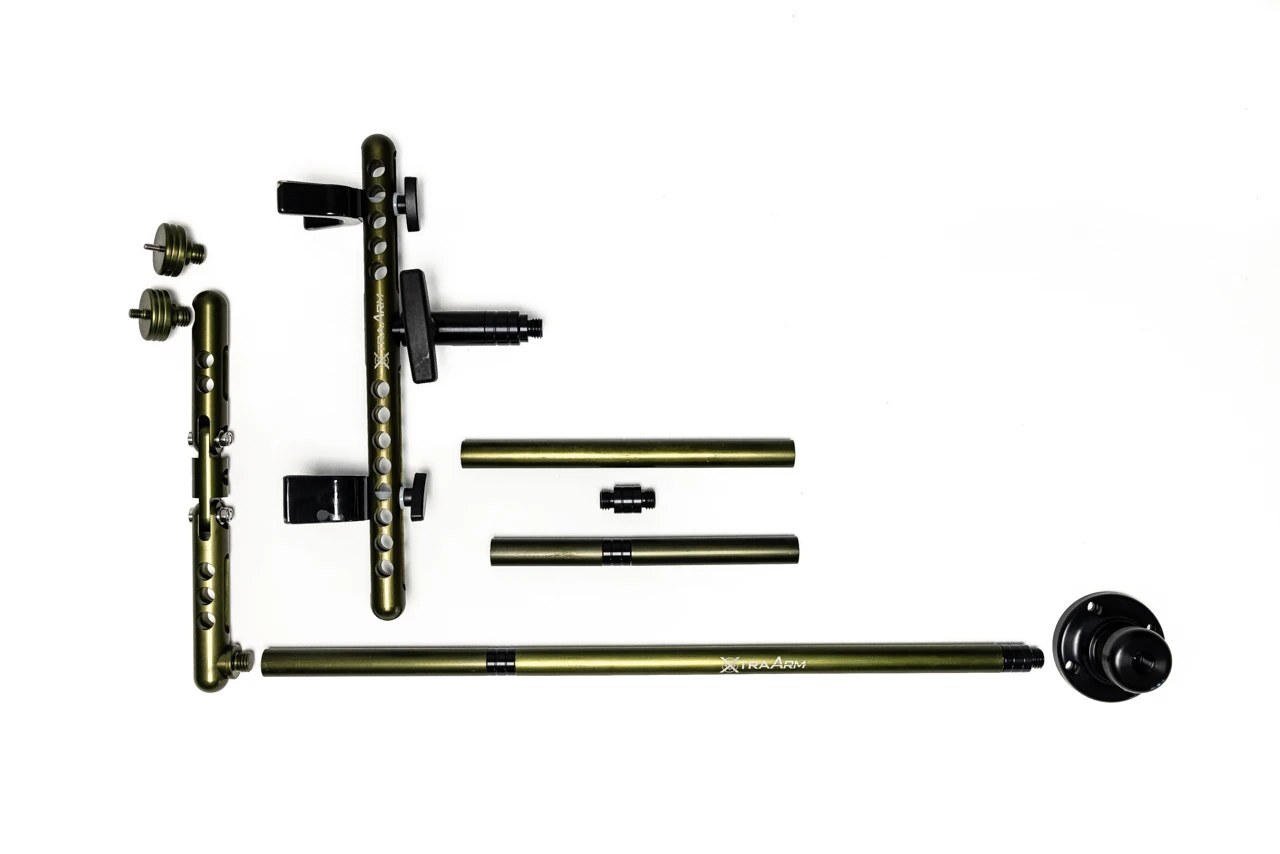
More than one blind, or multiple windows on a budget. The Quick Clamp Shooting System ($99 to $389) clamps to virtually any box blind shelf or window frame with no drilling, and releases in seconds.
Here is the part most people miss. Buy a second clamp, leave one mounted at each window, and the arm transfers between them without tools. That covers the multi-window problem for the price of an extra clamp. It also moves between a box blind, a ladder stand, and a ground blind across a season, which makes it the most flexible option in the lineup.
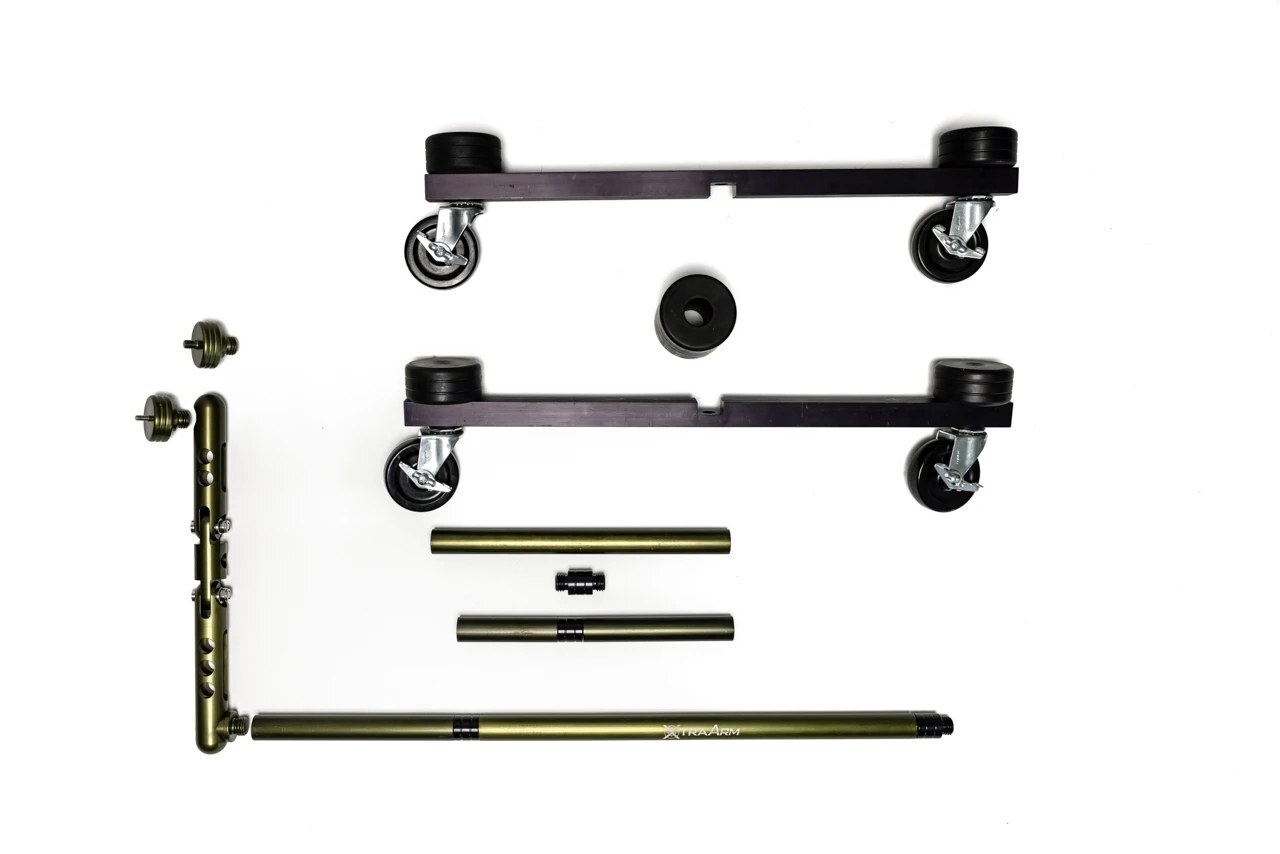
Multiple windows. The Roller Rest ($399 to $459) is the direct answer to the repositioning problem. It is a wheeled base that your articulating arm mounts onto. When a buck shows up at a different window you do not lift anything. You roll it across the blind floor while still seated, and the height is already set because you set it once. The wheels lock when you want it to stay put. Assembly is under thirty seconds, and it doubles as a bench rest for zeroing before the season.
Side By Side
| Tripod | Fixed Blind Rest | Roller Rest | |
|---|---|---|---|
| Floor space | Wide leg spread | None, mounts to frame | Compact wheeled base |
| Move windows | Lift, carry, re-level | Fixed at one window | Roll while seated |
| Height setting | Three leg locks | Set once at install | Set once via extensions |
| Legs to kick | Three | None | None |
How to Choose in Ten Seconds
Ask one question: in a normal season, how many windows do you actually shoot out of?
One, get the Fixed Blind Rest. Two or more, either roll between them with the Roller Rest or mount a Quick Clamp at each window and move just the arm. Four different setups across the property, the Quick Clamp travels best. Big shooting house and a tripod you already like, keep it and add the Tripod Arm.
Frequently Asked Questions
Is a tripod bad for box blind hunting?
Not bad, just mismatched. A tripod creates a stable base on open ground. Inside a blind you already have a floor and walls, so that stability is partly redundant, while fast quiet repositioning, the thing you actually need in a tight space, is what a tripod does worst.
How much floor space does a tripod need in a blind?
Properly spread for stability, usually a two to three foot circle. In a blind that is five by five with a chair and a heater in it, that is a large share of the floor.
What is the best shooting rest for a box blind with multiple windows?
The Roller Rest, because moving between windows is the exact problem it was built for. You roll it rather than lifting and resetting, and the height stays where you set it.
Do these rests require drilling into my blind?
No. The Fixed Blind Rest and the Quick Clamp Shooting System both clamp to the window frame or interior without permanent modification, and the Roller Rest sits on the floor.
Can I keep my tripod and just make it work better?
Yes. The Tripod Arm threads onto any standard 3/8-16 tripod head and converts it into an articulating arm, which fixes the positioning problem without replacing anything you own.
A tripod in a box blind is a good tool in the wrong room. If you shoot out of one window, mount a rest to the frame. If you shoot out of several, get something that rolls.
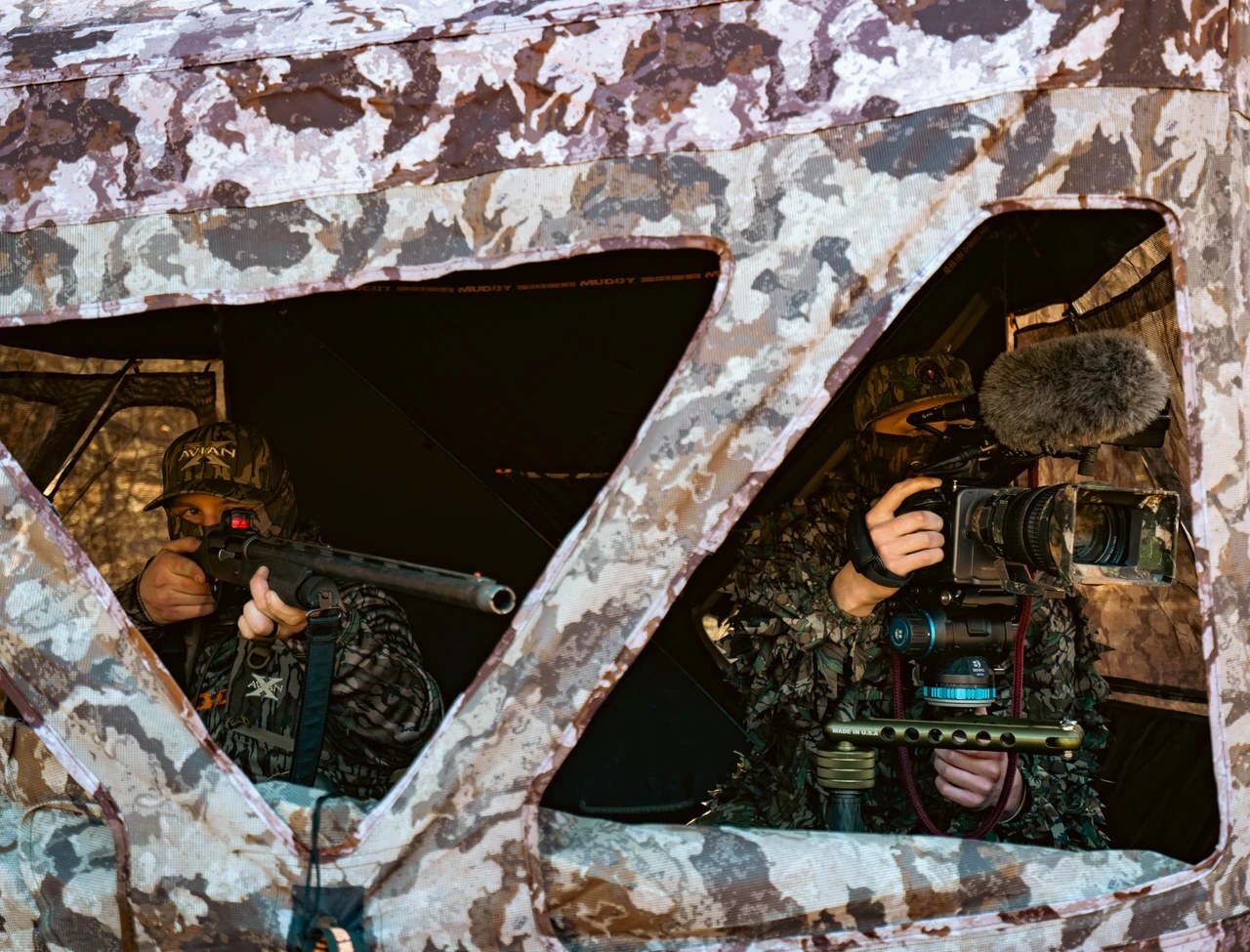
When the deer finally steps out, the only thing moving should be your trigger finger.

Every XtraArm product is precision-machined from 6061 aluminum in Cleveland, Ohio, and covered by a lifetime warranty. Free shipping on orders over $100.